



Fight Blindness This Ramadan
Select an amount to see details.

Scholar Verified


£50
Your zakat provides sight‑restoring surgery for a child.
£155
Your zakat funds surgery for two children and a school eye screening for a whole class
£500
Your zakat sponsors cataract surgery for 10 children.
£1,000
Your zakat restores sight for 10 children and 10 adults.
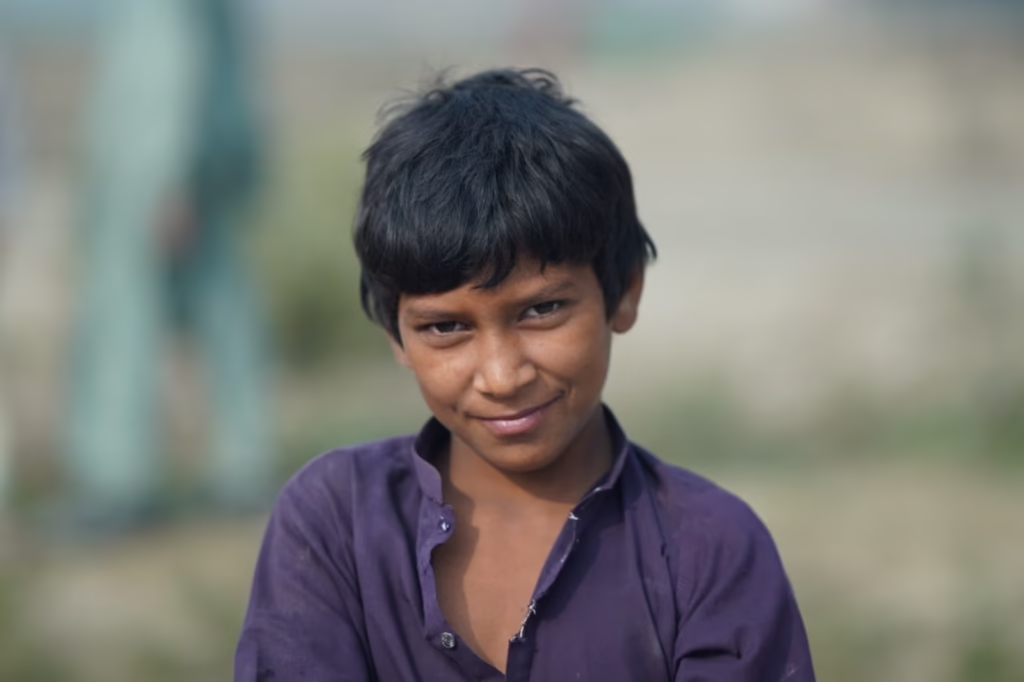
Ahmad is back at school
Ahmed is eight years old, the youngest of three siblings. While playing cricket near his home, an accident caused him to lose vision in his left eye. Soon, painful headaches began, his sight grew blurred, and frequent accidents followed.
His father works in the fields, and his mother sews clothes to support the family. Though deeply worried, they could not afford medical care and feared for Ahmed’s future.
Hope arrived when the Sight for Life Vision on Wheels programme visited their neighbourhood for free eye screening. Ahmed was diagnosed with a cataract and quickly referred for free surgery at Jannat Aziz Eye Hospital.
Today, Ahmed can see the world clearly and is enjoying childhood with confidence—learning, playing, and dreaming again. He looks forward to a brighter future and now hopes to become a cricketer.
This transformation was only possible because of the generosity of our supporters. Thank you for helping restore sight and renew hope for children like Ahmed.
Ahmed is our millionth patient.
Our Achievements
Patients treated
Surgeries Performed
Patients treated through VOW
Children Screened
Zakat FAQs – Sight for Life
What is Zakat?
Zakat is a fundamental pillar of Islam, serving as both an act of charity and a means of wealth purification. It helps maintain social balance and supports those in need. For financially stable adult Muslims, giving Zakat is an obligatory religious duty.
How Often is Zakat Given?
Zakat is payable once a year when your wealth meets or exceeds the nisab threshold. If your wealth remains above this threshold for a full Islamic lunar year (355 days on average), you must pay 2.5% of the amount above the nisab. If your wealth falls below the nisab, you are not liable to pay Zakat for that year.
How Do I Calculate My Zakat?
You can use Zakat Calculator to quickly determine how much you need to pay. Alternatively, you can manually calculate it using the formula:
Personal & business assets – short-term liabilities = Total wealth
If your total wealth is above the nisab value, you must pay 2.5% in Zakat.
What Assets Are Included in Zakat?
Zakat applies to:
- Cash (in hand, savings, or bank accounts)
- Gold & silver (including jewelry)
- Investments & shares (at market value)
- Business stock (goods intended for sale)
- Rental income from properties
- Money set aside for property, weddings, or Hajj
- Loans owed to you that you expect to be repaid
What Assets Are Exempt from Zakat?
Certain essential items are exempt from Zakat, including:
- Your primary home
- Your main car
- Personal items like clothing, appliances, and furniture
- Monthly bills and rent/mortgage payments
- Debts and loans you owe to others
Who is Required to Pay Zakat?
You must pay Zakat if you:
- Are Muslim
- Are an adult (past puberty)
- Are financially stable, with wealth exceeding the nisab threshold
- Have maintained wealth above the nisab for one full lunar year
Who Can Receive Zakat?
Zakat must be distributed to one of eight eligible categories as defined in the Qur’an:
- The Poor (Fakir) – Those with little or no means
- The Needy (Miskin) – Individuals struggling to meet basic needs
- New Muslims (Muallaf) – Reverts in need of support
- Zakat Administrators (Amil) – Those managing Zakat distribution
- Captives & Slaves (Riqab) – To help free those in bondage
- Stranded Travelers (Ibnus Sabil) – Those far from home and in financial difficulty
- Debtors (Gharmin) – People burdened by debt
- Those Striving in the Cause of Allah (Fisabillillah) – Individuals engaged in humanitarian or religious efforts
What is Nisab?
The nisab threshold determines who must pay Zakat. It is based on the value of:
- 87.48 grams of gold OR
- 612.36 grams of silver
The exact nisab amount fluctuates based on current gold and silver prices. Zakat becomes due if your total wealth remains above this value for a full lunar year.
When Should Zakat Be Paid?
Your Zakat due date is the same Islamic date every year when your wealth first reached the nisab threshold. If you are unsure of your original date, you should estimate or select a consistent Islamic date to follow.
While Zakat can be paid at any time of the year, many Muslims prefer to give it in Ramadan due to increased rewards.
Where Should Zakat Be Distributed?
Islam encourages prioritizing local communities, but Zakat can also be used for global humanitarian efforts. Sight for Life ensures your Zakat reaches those in urgent need, particularly blind and visually impaired individuals who cannot afford medical treatment.
What If I Miss a Zakat Payment?
If you have missed Zakat payments from previous years, you must calculate and pay the outstanding amount as soon as possible.
Can I Gift Aid My Zakat Payment?
Yes! As a registered UK charity, Sight for Life can claim an extra 25% in Gift Aid on voluntary donations made by UK taxpayers. However, Zakat itself is not eligible for Gift Aid, but additional donations can be.
Can Zakat Be Paid in Advance?
Yes, you can prepay your Zakat before it becomes due, ensuring you never miss a payment.
Can I Pay Zakat in Instalments?
Yes, Zakat can be spread across the year through monthly payments via direct debit.
What Wealth is Included in Zakat?
Zakat applies to:
- Cash (savings, investments, and business funds)
- Gold & silver (jewelry and assets)
- Shares & pensions
- Business goods (for trade)
- Rental income
Personal essentials like your home, furniture, and car are not included.
Can Zakat Be Used for Research & Innovation?
Yes, Zakat can be allocated to support research and innovation that benefits eligible Zakat recipients.
Can Zakat Be Used for Education & Healthcare?
Yes, Zakat can fund education and medical aid for those who qualify under Islamic Zakat principles.
At Sight for Life, your Zakat can help restore vision for those suffering from preventable blindness. Donate today and transform lives.